Most people buy shoes based on how they look on a display shelf or in an online photo. Two weeks later, those same shoes are collecting dust in the back of a closet because the heel slips, the sole lacks support, or the material creases awkwardly after three wears.
Building a functional footwear rotation comes down to evaluation criteria: knowing how to assess materials, construction, fit, and intended use before tapping “Buy.”
Here is a straightforward, professional framework for comparing pairs and making footwear purchases that last.
1. The Cost-Per-Wear Principle
A cheap shoe that hurts your feet costs infinitely more than a well-built shoe you wear twice a week for three years.
Instead of comparing sticker prices, calculate Cost Per Wear (CPW):
$$\text{CPW} = \frac{\text{Purchase Price} + \text{Maintenance Costs}}{\text{Estimated Number of Wears}}$$
- Fast-Fashion Sneaker ($40): Worn 20 times before the synthetic sole delaminates or causes back pain.$$\text{CPW} = \$2.00$$
- High-Quality Leather Sneaker or Work Boot ($180): Worn 3 times a week for 2 years (~310 wears).$$\text{CPW} = \$0.58$$
Prioritize higher spend on shoes you wear in high-impact scenarios—daily office wear, athletic trainers, and all-weather boots.
2. Head-to-Head: Material Breakdown
The upper material dictates breathability, break-in time, and weather resistance. Use this comparison when evaluating options:
| Material | Best For | Pros | Cons |
| Full-Grain Leather | Dress shoes, boots, premium sneakers | Highly durable; molds to foot shape; ages gracefully with patina | Requires break-in; higher price; needs conditioning |
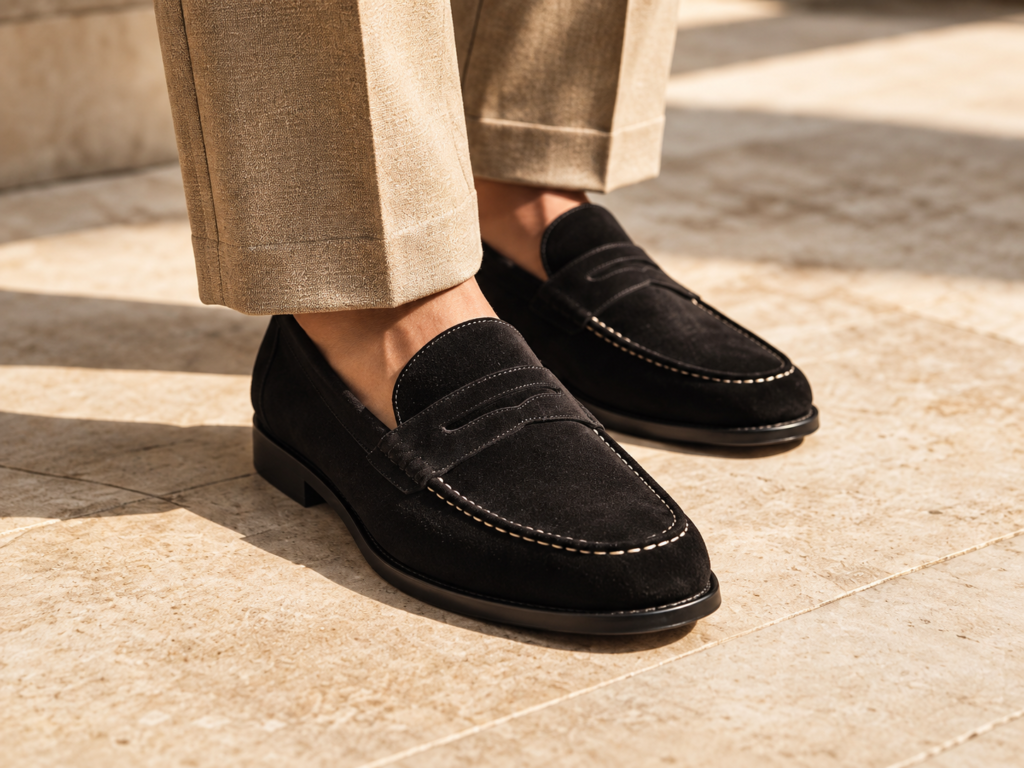
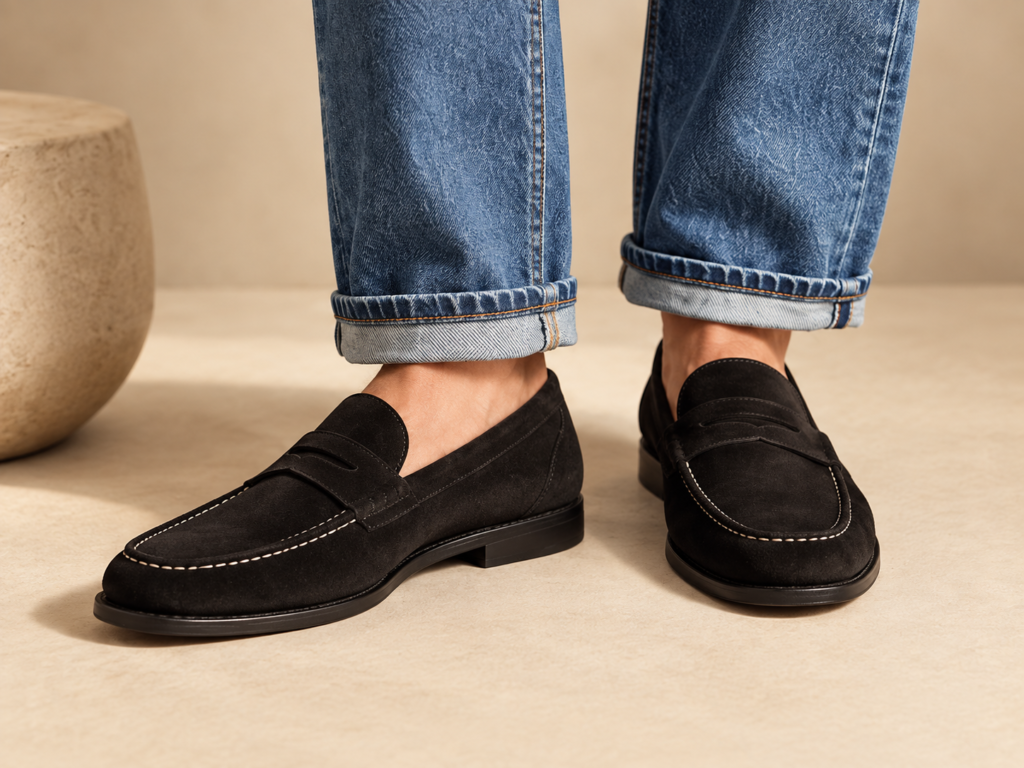
| Suede / Nubuck | Casual loafers, retro sneakers | Soft out of the box; rich texture and color depth | Sensitive to water/salt; requires protective spray |
| Engineered Mesh | Running shoes, summer trainers | Maximum airflow; ultralight; zero break-in | Zero water resistance; wears quickly in high-abrasion zones |
| Synthetic Leather (PU/Microfiber) | Budget shoes, vegan alternatives | Waterproof; easy to wipe clean; lower entry cost | Traps heat and moisture; cracks rather than breaks in; non-repairable |
3. How the Sole is Attached (The Longevity Test)
How a shoe’s sole joins the upper determines whether it can be repaired when worn down:
- Cemented (Glued): Common in athletic runners and mass-market shoes. Light and flexible, but once the sole separates or wears smooth, the entire shoe must be discarded.
- Stitched / Welted (Goodyear or Blake): Found in quality leather footwear. The upper and sole are mechanically stitched together. A cobbler can easily replace the outsole for a fraction of the cost of a new pair.
If you are buying leather boots or dress shoes over $150, look for visible welting or stitching along the sole perimeter.
4. The 4-Step In-Store & At-Home Fit Test
Never assume your size is identical across different brands. A size 10 in a narrow running shoe fits entirely differently than a size 10 in a wide-toe work boot.
- Shop late in the afternoon: Feet swell by up to half a size after a full day of standing and walking.
- Bring the correct socks: Try on athletic trainers with athletic socks, and dress shoes with dress socks.
- Check the thumb rule: Ensure a thumbnail’s width (about 1/2 inch) of space between your longest toe and the end of the shoe box. Your toes must never press against the front while descending stairs or walking down an incline.
- Test the flex point: Bend the shoe at the ball of the foot. It should bend cleanly where your foot naturally hinges—not mid-arch or along the heel cup.
The Essential 5-Pair Rotation
A balanced wardrobe does not require dozens of options. These five functional categories cover virtually every lifestyle need:
- The Clean White/Neutral Sneaker: Minimal branding, low-top, leather or canvas. Pairs with jeans, chinos, or tailored trousers.
- The Structured Commuter/Office Shoe: A classic loafer, derby, or clean Chelsea boot suited for professional settings.
- The Dedicated Performance Trainer: Running, gym, or cross-training shoes engineered solely for workouts (avoid wearing these casually to preserve cushioning).
- The Weatherproof Boot: Waterproofed leather or treated nylon with a lugged rubber outsole for rain, mud, and cold conditions.
- The Casual Slip-On / Summer Pair: Breathable espadrilles, lightweight mules, or sandals for warm weather and relaxed travel.
Final Checklist Before You Buy
- [ ] Does this shoe fill a specific gap in my current rotation?
- [ ] Can I style this with at least three outfits I already own?
- [ ] Is the upper made from a material suitable for my local climate?
- [ ] Did I verify the return/exchange policy in case the fit changes after walking on indoor carpet?