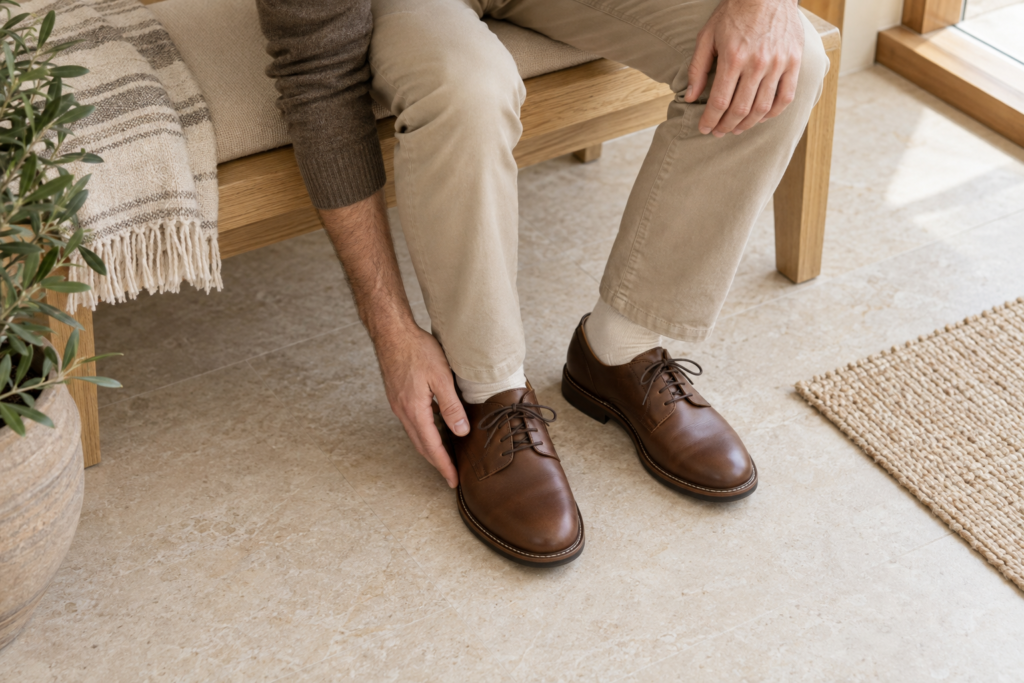
Author name: ramkishanrk6597

Everyday Style

Versatility & Everyday Footwear

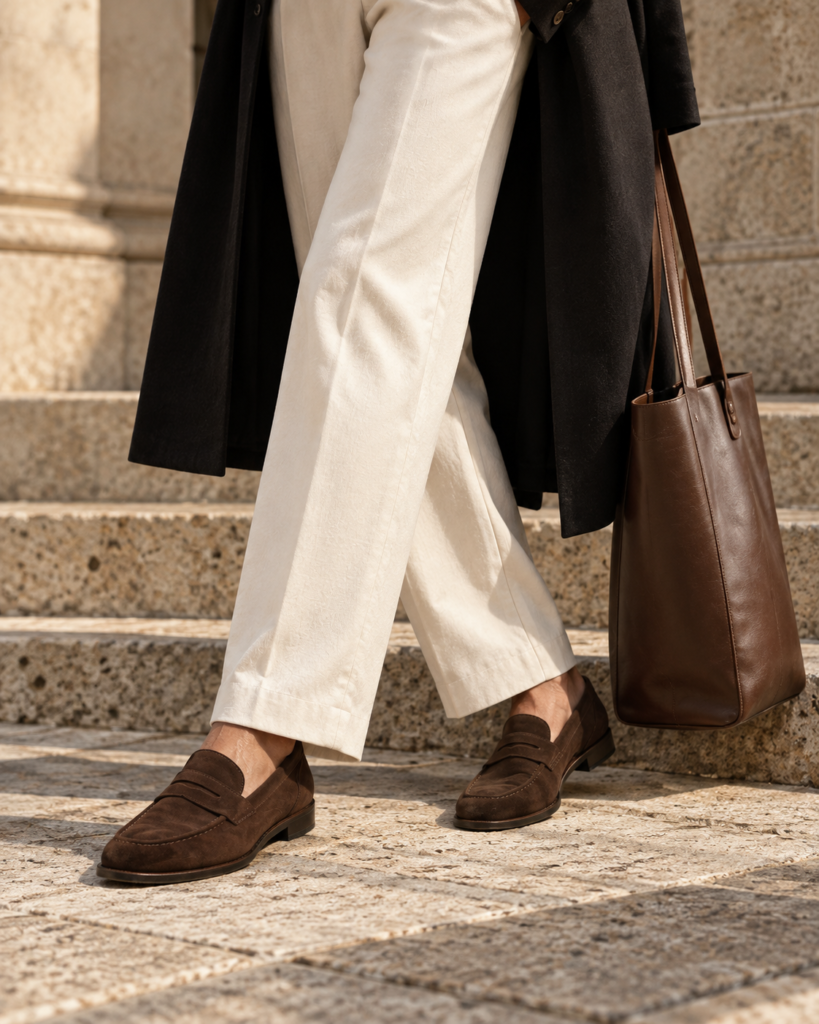
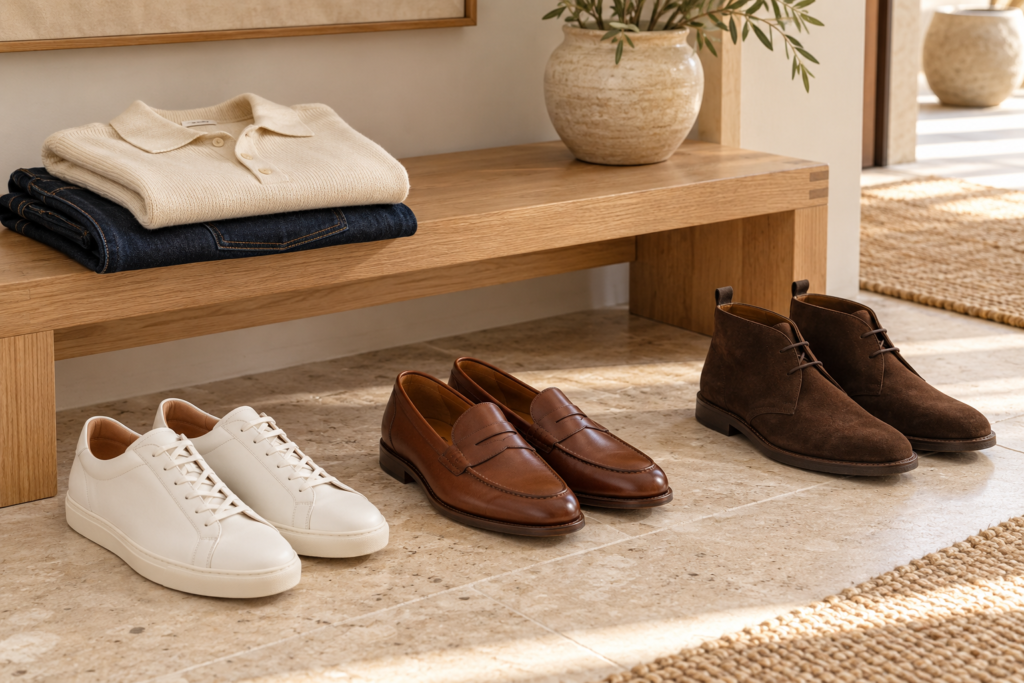
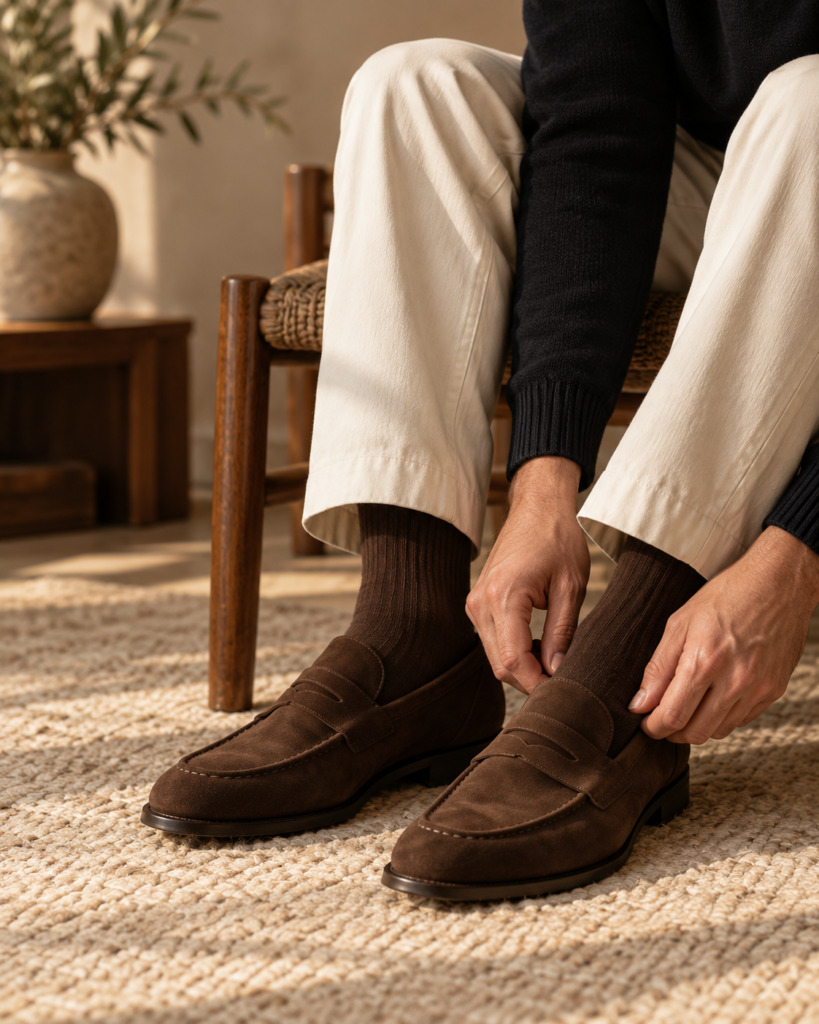
A closet overflowing with shoes often creates a common morning dilemma: plenty of options, but nothing that feels right for the day ahead. Building a functional shoe rotation does not require a dozen niche pairs. It requires versatility—footwear that handles varying dress codes, stays comfortable across hours of walking, and pairs naturally with multiple outfits. Here is how to build a dependable everyday shoe rotation, choose the right designs, and get the most value out of every pair. 1. What Makes a Shoe “Everyday Versatile”? Before buying, evaluate a shoe against three core criteria: 2. The 4-Pair Core Rotation A compact, highly versatile shoe collection covers every setting from weekend errands to formal boardrooms. Footwear Style Best Neutral Color Primary Setting Why It Works Leather Penny Loafer Dark Brown / Oxblood Smart Casual, Office, Evenings Slip-on convenience; dresses up denim and relaxes suits. Minimalist Sneaker Chalk / Warm White Casual, Travel, Commutes Uncluttered leather upper keeps relaxed outfits sharp. Chelsea or Chukka Boot Snuff Suede / Medium Brown Fall/Winter, Daily Wear Sleek ankle coverage, weather protection, durable profile. Derby or Blucher Black / Deep Espresso Formal, Business Meetings Open lacing system provides comfort across long workdays. 3. How to Style Footwear for Day-to-Night Transitions The easiest way to move an outfit between casual and formal is by balancing textures and pants lengths. Loafers: The Ultimate Bridge Shoe Minimalist Leather Sneakers 4. Key Factors to Check Before Buying 5. Daily Maintenance for Long-Lasting Footwear A thoughtful footwear collection does not rely on trends. Investing in well-constructed, neutral, and comfortable shoes ensures you always have the right foundation for any outfit.
Blog, Style Guides

The Smart Shoe-Buying Guide: How to Compare Pairs and Stop Wasting Money

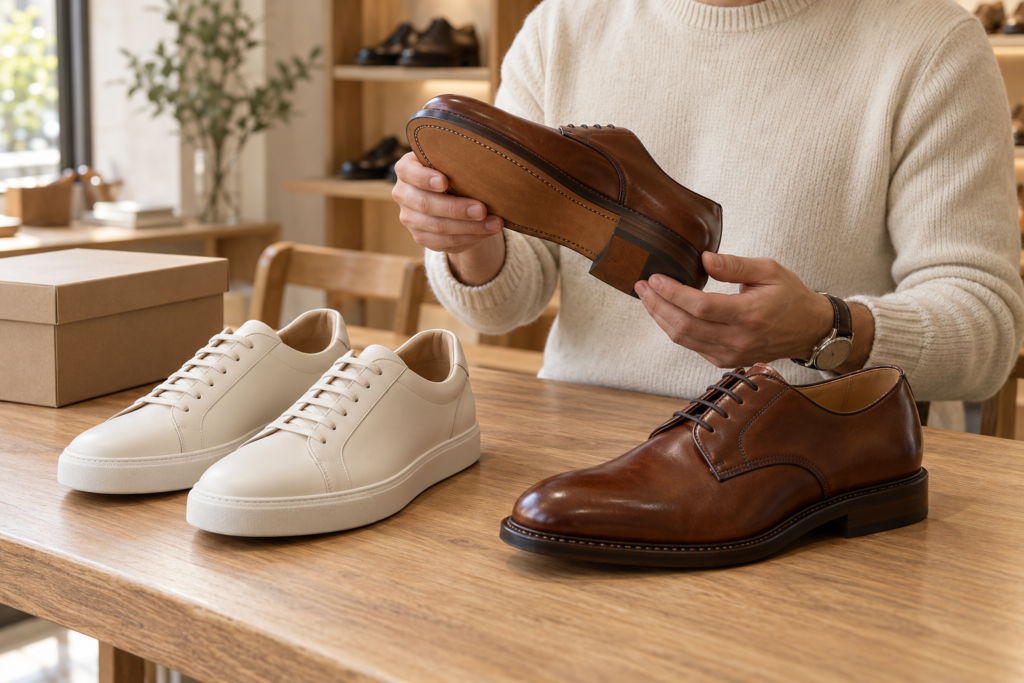
Most people buy shoes based on how they look on a display shelf or in an online photo. Two weeks later, those same shoes are collecting dust in the back of a closet because the heel slips, the sole lacks support, or the material creases awkwardly after three wears. Building a functional footwear rotation comes down to evaluation criteria: knowing how to assess materials, construction, fit, and intended use before tapping “Buy.” Here is a straightforward, professional framework for comparing pairs and making footwear purchases that last. 1. The Cost-Per-Wear Principle A cheap shoe that hurts your feet costs infinitely more than a well-built shoe you wear twice a week for three years. Instead of comparing sticker prices, calculate Cost Per Wear (CPW): $$\text{CPW} = \frac{\text{Purchase Price} + \text{Maintenance Costs}}{\text{Estimated Number of Wears}}$$ Prioritize higher spend on shoes you wear in high-impact scenarios—daily office wear, athletic trainers, and all-weather boots. 2. Head-to-Head: Material Breakdown The upper material dictates breathability, break-in time, and weather resistance. Use this comparison when evaluating options: Material Best For Pros Cons Full-Grain Leather Dress shoes, boots, premium sneakers Highly durable; molds to foot shape; ages gracefully with patina Requires break-in; higher price; needs conditioning Suede / Nubuck Casual loafers, retro sneakers Soft out of the box; rich texture and color depth Sensitive to water/salt; requires protective spray Engineered Mesh Running shoes, summer trainers Maximum airflow; ultralight; zero break-in Zero water resistance; wears quickly in high-abrasion zones Synthetic Leather (PU/Microfiber) Budget shoes, vegan alternatives Waterproof; easy to wipe clean; lower entry cost Traps heat and moisture; cracks rather than breaks in; non-repairable 3. How the Sole is Attached (The Longevity Test) How a shoe’s sole joins the upper determines whether it can be repaired when worn down: If you are buying leather boots or dress shoes over $150, look for visible welting or stitching along the sole perimeter. 4. The 4-Step In-Store & At-Home Fit Test Never assume your size is identical across different brands. A size 10 in a narrow running shoe fits entirely differently than a size 10 in a wide-toe work boot. The Essential 5-Pair Rotation A balanced wardrobe does not require dozens of options. These five functional categories cover virtually every lifestyle need: Final Checklist Before You Buy

Fit & Comfort

Find Your Fit: The Essential Guide to Getting Your Shoe Size Right

Find Your Fit: The Essential Guide to Getting Your Shoe Size Right A great pair of shoes built from premium materials is worthless if it does not fit your feet. Poorly fitting footwear causes immediate discomfort—blisters, pinched toes, arch ache—and can lead to chronic foot issues over time. Finding your true fit requires moving beyond the simple number printed on the tongue tag and understanding how shoe volume, foot width, and break-in dynamics work together. 1. Measure for the Largest Dimension Most people assume their shoe size is static, but feet change shape, spread with age, and swell throughout the day. 2. The Three Anatomical Fit Checks When trying on a pair, do not just stand still—run through these three physical checks: 3. Understanding Width and Lasts Length is only half the sizing equation. The internal shape of a shoe—determined by the wooden or plastic mold it was built on, known as the last—is equally crucial. 4. Know What Stretches (and What Never Will) Understanding material behavior prevents the expensive mistake of buying shoes hoping they will stretch into the right size: A well-fitted shoe should feel secure across the instep, snug around the heel, and open enough in the toe box for your toes to spread out naturally from the very first wear.  

Shoe Care

Care for Your Pairs: The Essential Handbook for Shoe Maintenance

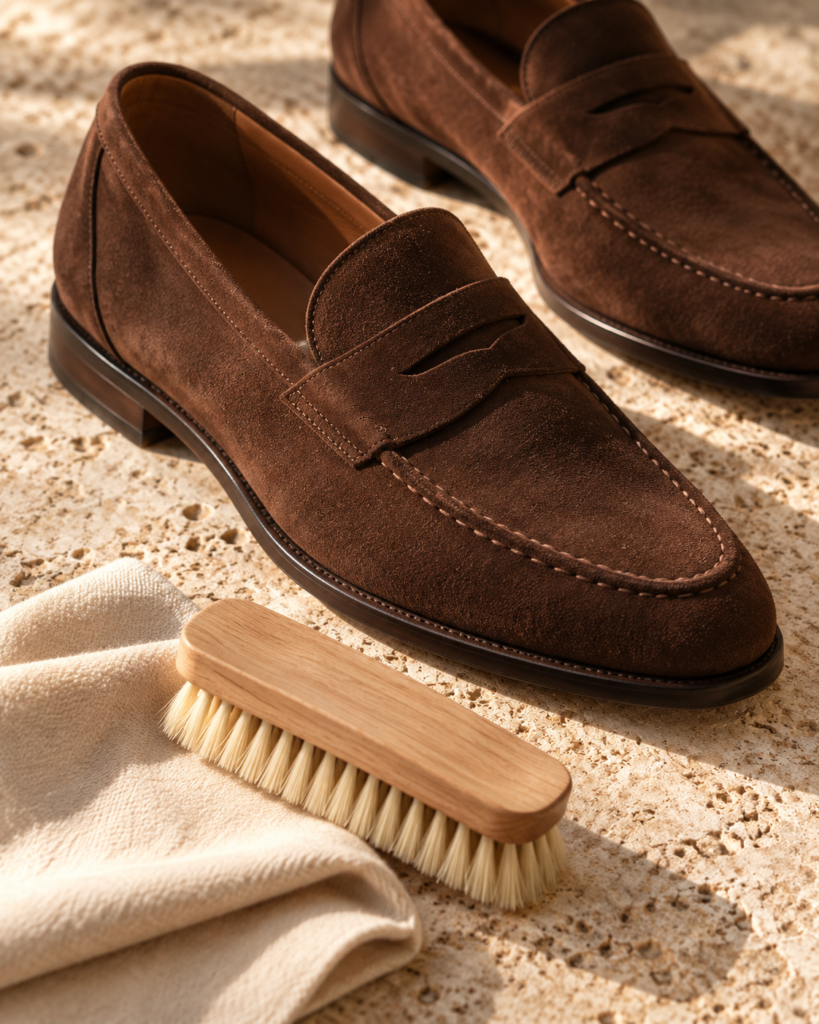
Footwear takes more abuse than any other item in your wardrobe. Every mile walked introduces dirt, road grit, sweat, and unpredictable weather to leather, canvas, and rubber. Left unmanaged, even the finest shoes dry out, crack, lose their shape, and wear down prematurely. Caring for your pairs is not complicated. It requires minimal gear, a basic understanding of your materials, and a few consistent habits. 1. Daily Habits: The First Line of Defense Longevity starts the moment you step out of your shoes: 2. Matching the Routine to the Material Different materials demand completely different care techniques: 3. Emergency Care: What to Do After Bad Weather Rain, puddles, and road salt cause the most aggressive shoe damage if not treated immediately: 4. Know When to Visit a Cobbler A quality pair of stitched shoes (Goodyear-welted or Blake-stitched) is built to be serviced rather than discarded:

Everyday Style

Wear Them Well: The Art of Footwear Longevity and Style

“Wear them well” is more than a polite parting phrase—it is a standard for how we treat the things we own. In a consumer culture driven by fast fashion and disposable items, footwear is often treated as temporary. Synthetic materials peel, glued soles crack after a single season, and shoes are tossed into closets to be forgotten. True style demands a shift in mindset: treating shoes not as temporary purchases, but as long-term investments that should improve with time. Achieving that requires three core commitments: buying with intention, maintaining with discipline, and wearing with confidence. 1. Buy for Construction, Not Just Appearance A great shoe starts long before it touches your feet. When building a rotation, look past surface aesthetics and inspect how the shoe is built: 2. Protect the Investment with a Weekly Routine Leather is skin; without moisture and care, it dries out and breaks down. Neglected shoes fail prematurely, regardless of how much they cost upfront. A proper maintenance habit takes less than 15 minutes a week: 3. Respect the 24-Hour Rule Your feet perspire heavily throughout the day—often releasing several ounces of moisture that the inner leather lining absorbs. 4. Wear Them with Intent The phrase “wear them well” also speaks to how you carry yourself. Shoes anchor an outfit. A pristine white leather sneaker paired with a sharp chino, or a well-conditioned brown loafer worn with dark denim, communicates attention to detail without looking over-engineered. When you take the time to clean your soles, lace your shoes properly, and choose pieces built to last, you stop worrying about trends. You simply put them on, step out, and wear them well.

Fit & Comfort

How to Try On New Shoes Before Wearing Them Outside

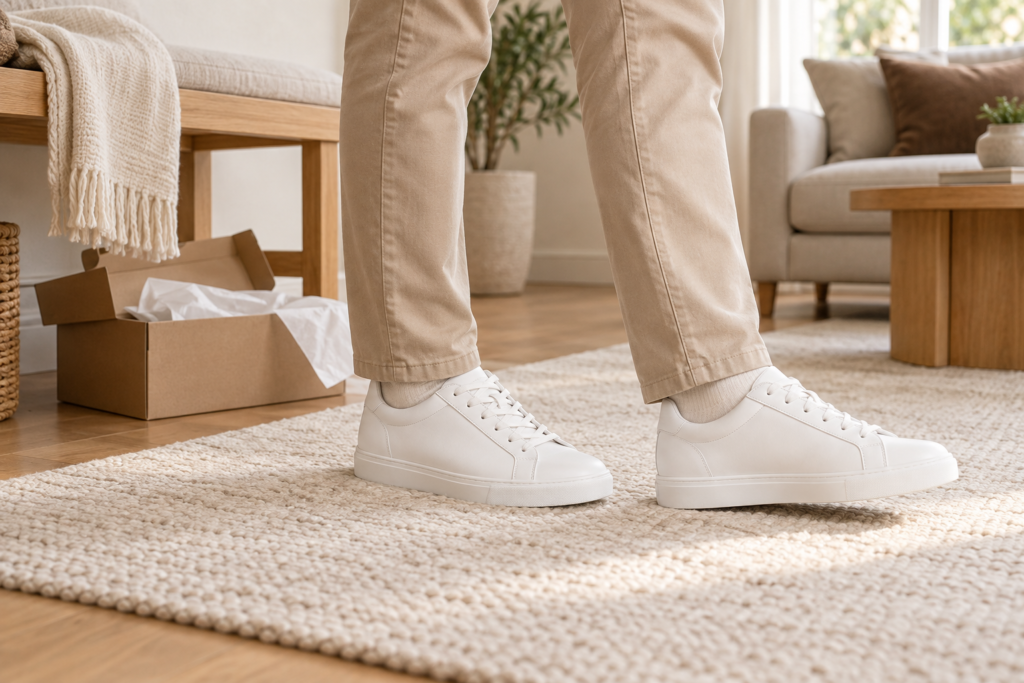
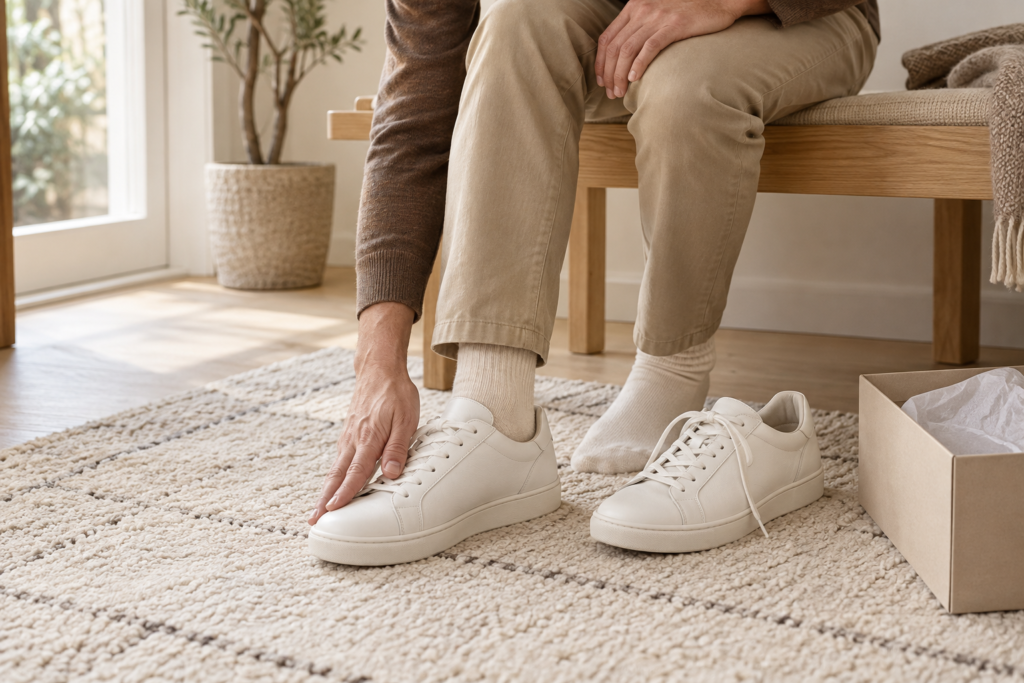
Most retailers will void your return or exchange the moment a leather sole gets scratched by gravel or a white rubber sole picks up outdoor grime. Follow this simple indoor protocol to make sure your shoes fit perfectly while keeping them in 100% mint condition. 1. Test Only on Clean Carpet or Rugs Never walk on hardwood, tile, concrete, or stone floors while testing leather-soled shoes. Hard floors scratch smooth leather soles within seconds. 2. Try Them on in the Late Afternoon or Evening Your feet naturally expand throughout the day due to gravity, blood flow, and walking. A shoe that feels comfortable at 8:00 AM may pinch painfully by 6:00 PM. Always try on new footwear at the end of the day when your feet are at their largest. 3. Wear the Exact Socks You Intend to Use Never test dress shoes with thick athletic crew socks, and never test winter boots with ultra-thin dress socks. A few millimeters of sock fabric completely alters the fit and volume of the shoe. 4. Complete the 10-Minute Walk Test Put on both shoes, lace them up completely, and walk around your living room for at least 10 to 15 minutes: If you feel sharp pressure points, pinch points, or intense heel slip during those 10 minutes indoors, pack them back into the original box and exchange them for another size.

Fit & Comfort

Why Do Your Heels Slip Out of Your Shoes?

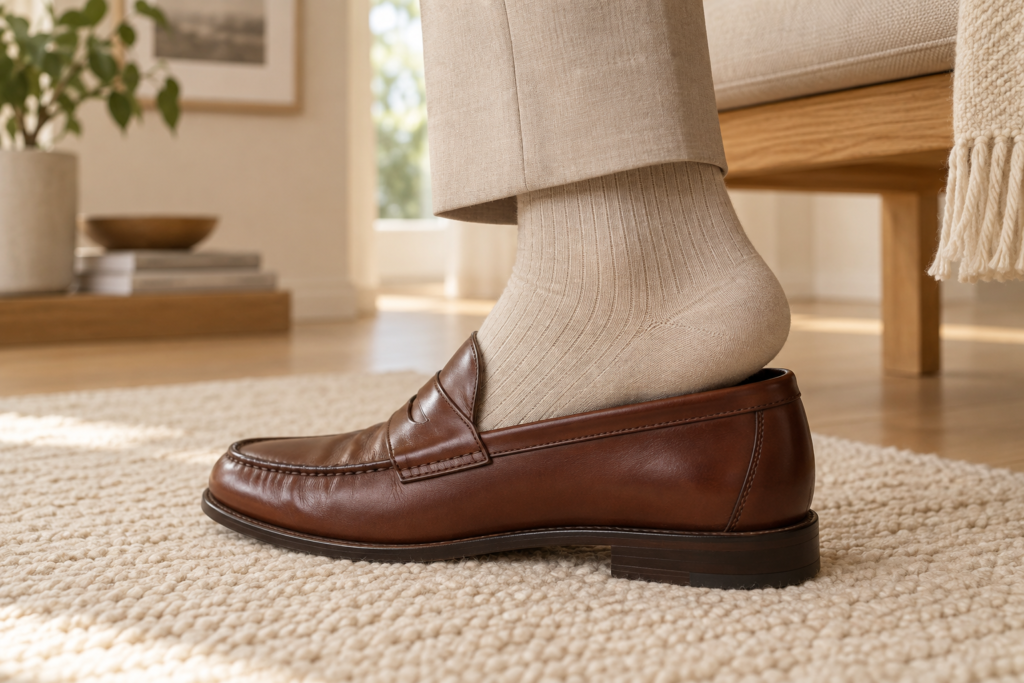
Few things are more frustrating than your heel lifting out of a shoe with every single step. While most people assume heel slip means the shoe is too big, that is only one of several causes. 1. The Sole Is Stiff and Not Broken In When a new shoe has a thick leather or dense rubber sole, it resists bending. When you take a step, your foot bends, but the rigid sole stays flat. Since the shoe cannot bend with you, your heel gets pulled straight upward out of the heel cup. 2. The Shoe Is Too Long or Too Wide in the Heel If the shoe’s heel cup is built wider than your actual heel bone, there is nothing holding your foot down. 3. Your Lacing Technique Needs Adjustment Lacing your shoes too loosely allows your foot to slide forward as you walk, pulling your heel away from the rear wall.

Blog, Fit & Comfort

Wide Feet? What to Look for When Trying Shoes

Standard medium-width shoes (labeled “D” for men or “B” for women) often squeeze wider feet, leading to numbness, bunions, and worn-out side stitching. If your feet are on the broader side, simply sizing up in length is a mistake—it leaves you with floppy, clown-like shoes that trip you up. Instead, look for designs built with forgiving geometry from the ground up: 1. The Right Shoe Construction 2. Toe Box Shapes to Seek (and Avoid) 3. Look for Width Designations Whenever possible, shop brands that offer explicit width sizing: Buying your true length in an E/EE width ensures the shoe flexes exactly where your foot bends, preserving the shoe’s structure and your comfort.

Fit & Comfort

Between Shoe Sizes? What to Check Before Choosing

Finding yourself stuck between two sizes is one of the most common footwear dilemmas. A half-size too small causes pinched toes and blisters, while a half-size too large leads to sloppy movement and heel slip. Before making your final choice, run through these essential checks: 1. Check the Ball of the Foot First The widest part of your foot—where your big toe and pinky toe joints bend—must sit directly in the widest part of the shoe. If the shoe bends forward or backward of that point, it will strain your arch and pinch your foot, no matter how much room is left at the tip. 2. Measure the Toe Clearance Stand up and press your thumb down horizontally directly in front of your longest toe (remember: for many people, the second toe is longer than the big toe). 3. Consider the Material: Leather Stretches, Synthetic Does Not 4. When in Doubt, Size Up and Add Volume It is remarkably easy to make a slightly large shoe fit snugly: Fixing a shoe that is too small, by comparison, is nearly impossible without causing pain.

Scroll to Top